Heart made of yarn

About Crocheting

Kinds of Yarn

pink bunny drawing

Animal Yarn

Animal yarn is mainly made from the fleece, hair, or undercoat of mammals. It is a natural, protein-based fiber known for its warmth, elasticity, and breathability. Sheep produce the most common wool, which ranges from the soft, fine Merino to more durable, rustic types. However, other animals also provide specialized fibers. Alpaca is known for its softness and drape, while mohair comes from Angora goats and is highly shiny and strong. Cashmere is prized for its extreme softness and luxury. These fibers are usually collected by shearing or combing in the spring. This process is important for the health of domestic animals, as it helps prevent overheating and matting. Unlike synthetic materials, animal fibers have a microscopic scale structure that allows them to bloom and felt, creating a soft halo of fuzz. Their natural crimp helps trap air, providing excellent insulation. Additionally, specialty animal fibers like qiviut from muskox, yak, and angora rabbit are unusually warm. They can be up to eight times warmer than sheep's wool and are often used in luxury garments, even though they tend to be more delicate.
bamboo and cotton drawings

Plant Yarn

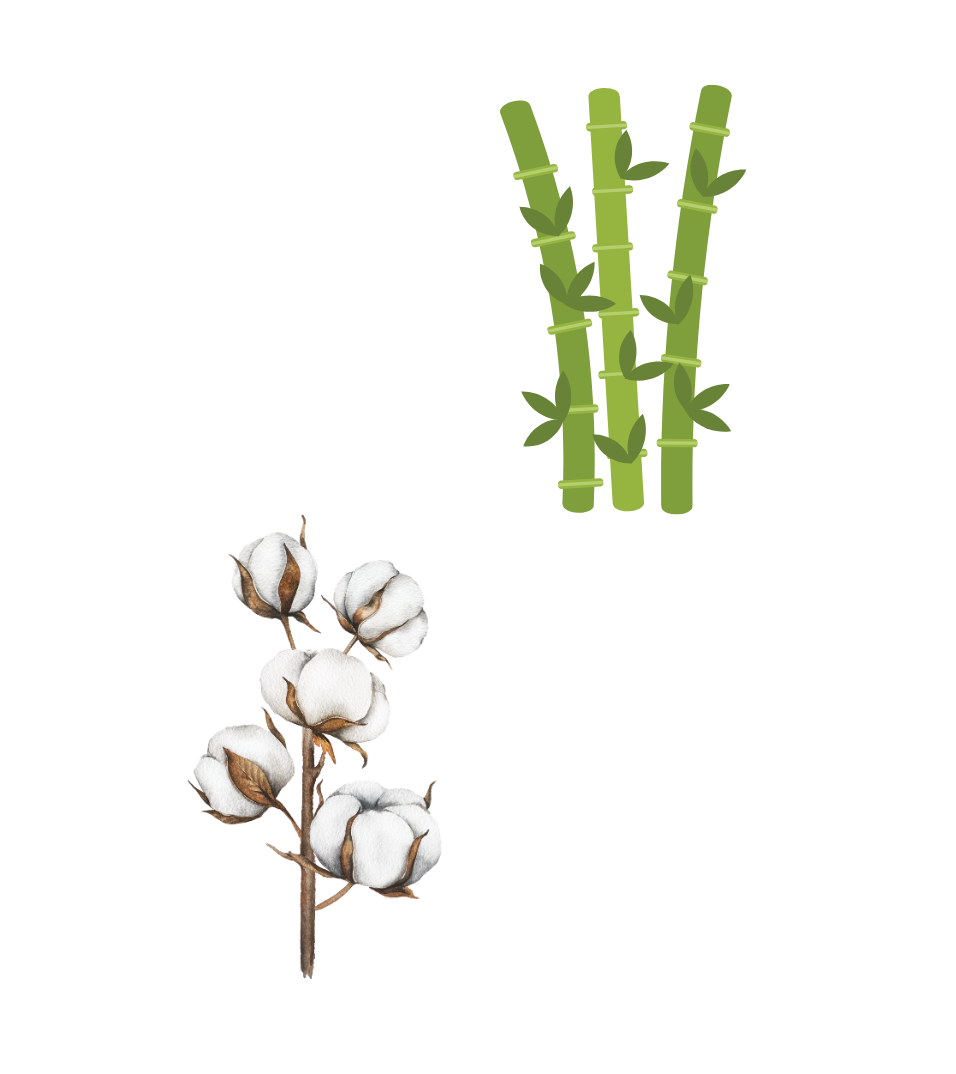
Plant yarn is mostly made from cotton, linen (flax), hemp, bamboo/bamboo rayon jute, and other fibers. Cotton is the most popular plant fiber; soft, breathable, and matte. Good for all-purpose use,particularly garments and dishcloths. Varieties include Pima and Egyptian for superior softness. Linen is made from flax plants; strong, structured, and cooling. It softens with washings and is great for crisp summer garments. Hemp is extremely durable, grows softer over time, and is a very sustainable option. Often stiffer, offering good structure. Bamboo is a soft, antibacterial, and silky with a high sheen. It has a heavy drape and is excellent for wraps and garments. Jute is a coarse, strong, and shiny bast fiber often used for textured projects or home goods like rugs. Other fibers include nettle (strong and insulating), Seagrass, Coir, Ramie, and Pineapple. There are also plant fiber blends made to mitigate the lack of structure and add elasticity, plant fibers are frequently blended with other material
Ball og Yarn

Synthetic Yarn

Chemical processes are used in making synthetic fabrics, which include poly yarns, made from petroleum and coal as the raw materials. Unlike plant-derived fibers, these yarns are made in laboratories and can be engineered to have special attributes, e.g. strength, anti-wicking, or stretch. The most common types of synthetic yarn are acrylic, polyester, and nylon. Due to low-maintenance and low-cost, synthetic yarn is the best option for baby blankets, activewear, and anything that will be used daily or in high-traffic areas. Although synthetic yarn does not “breathe” like natural yarns (e.g. wool or cotton), they are suitable for everyday items that need to be washed often, as synthetic yarn is generally not subject to shrinking or fading from repeated washing in a washing machine.
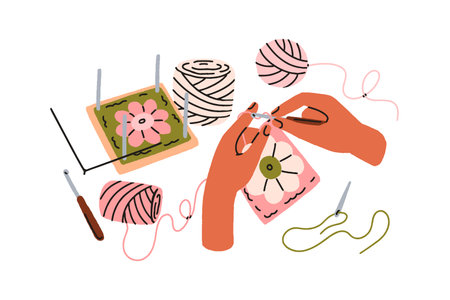
To Start Crocheting

pink bunny drawing

Basic Supplies

Yarn is first on our list of crocheting materials for beginners for a reason—you can’t crochet anything without it. Choosing yarn is also the funnest part of starting a new project. Personally, we can spend hours just picking out color combinations.But when you’re working on your first crochet creation and see shelves lined with every type of yarn imaginable, your excitement may transform into terror.Another thing every crochet supplies for beginners list needs is a trusty crochet hook. Like yarn, you’ll find all kinds of hooks online or at your local craft store. There are plastic hooks, bamboo hooks, steel hooks, aluminum hooks—you name it.Each material feels different in your hand. Aluminum hooks glide like a dream through most yarns and feel lightweight. Bamboo and other wood hooks have a warm feel and are great for natural fibers, while steel is perfect for more intricate work.You can go with the all-purpose scissors already in your drawer, or if you want to be a little extra, you can get a pair designed specifically for embroidery. It’s up to you. What matters is that your scissors are comfortable and can make accurate cuts. You’ll be using them a lot, after all, to cut yarn for your projects. Next on the list are stitch markers.As you can guess by the name, stitch markers mark sections of your pattern. These babies make it easier for you to remember where you left off and how far along you are. They’re available as split rings, clip-ons, and even charms. To use a stitch marker, all you need to do is slide it under a specific stitch, or “horizontal V”, move it as you make progress, and then slide it out once you’re done using it. Easy peasy.You’ll need a tapestry needle to connect separate pieces, secure loose yarn ends, or touch up some stitches. The needle has a blunt tip so it doesn’t hurt your yarn (or you!). It plays a big role in helping your crochet project look more polished.

bamboo and cotton drawings

Learn Essential Stiches

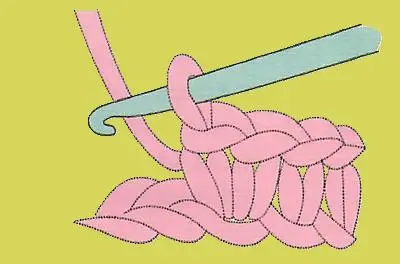
Every crochet project starts with a single stitch. If you’re learning to crochet for the first time, you’re going to need to know the basic crochet techniques and stitches, including how to cast on, make chain stitches, and work one of the most simple crochet stitches: either single, half double, double, or treble crochet.But with one of those under your belt, you might be surprised just how far it can take you. I’m an anxious learner, and I think I made two blankets, a scarf and some wrist warmers using only double crochet, before I starting experimenting with the other basic stitches. The essential crochet stitches for beginners are the chain stitch (ch), slip stitch (sl st), single crochet (sc), half double crochet (hdc), double crochet (dc), and treble crochet (tr). Mastering these foundational stitches—which increase in height—allows you to create nearly any pattern, including blankets, scarves, and clothing.

Ball og Yarn

Consistent Tension

Tension is the stress that we apply to our yarn as we use it. That means the way we pull our yarn from the skein as we’re crocheting.Think of the tale Goldilocks and the Three Bears. You don’t want your tension to be too tight, but you also don’t want it to be too loose. You want it to be juuust right.The reason why tension is so important is because it can greatly impact the way your finished project will look.Let’s say you’re working on a blanket that’s supposed to have the finished dimensions of 36″ x 36″. If your tension is too tight, your blanket will turn out much smaller and more stiff. If your tension is too loose, it will turn out much bigger and possibly with more holes. If you’re a loose crocheter, your stitches will be more loose than they should be. But if you’re used to seeing loose stitches, and you have nothing to compare, then how are you supposed to know that you’re a loose crocheter? The same thing goes if you’re a tight crocheter. You’re not going to know that you’re a tight crocheter without being able to compare your work with someone else’s.

Check out our socials for more! @CoralsCrochet